
How to Use Essential Oils in Cooking


Their versatility brings a distinctive touch and delicious flavours to every recipe, allowing both home cooks and professionals to explore new culinary possibilities.

Essential oils for cooking offer an unrivalled range of flavours and aromas for both sweet and savoury dishes. Their versatility brings a distinctive touch and delicious flavours to every recipe, allowing both home cooks and professionals to explore new culinary possibilities.

Thanks to their high concentration of aromatic compounds, essential oils add exceptional depth and intensity of flavour to your creations.

Whether you're enhancing a fresh pasta dish, adding a vibrant twist to a citrus salad or delicately flavouring a rich chocolate dessert, the possibilities are endless.

In this article, we'll share our tips and advice on how to use essential oils in the kitchen to achieve the very best results.

#1 Choosing the Right Essential Oil for Cooking

It is important to note that not all essential oils are suitable for culinary use. Always make sure the essential oils you choose are specifically intended for food use.

Choose an certified organic essential oil for cooking. This ensures you can enjoy its full aromatic qualities while guaranteeing a high-quality product.

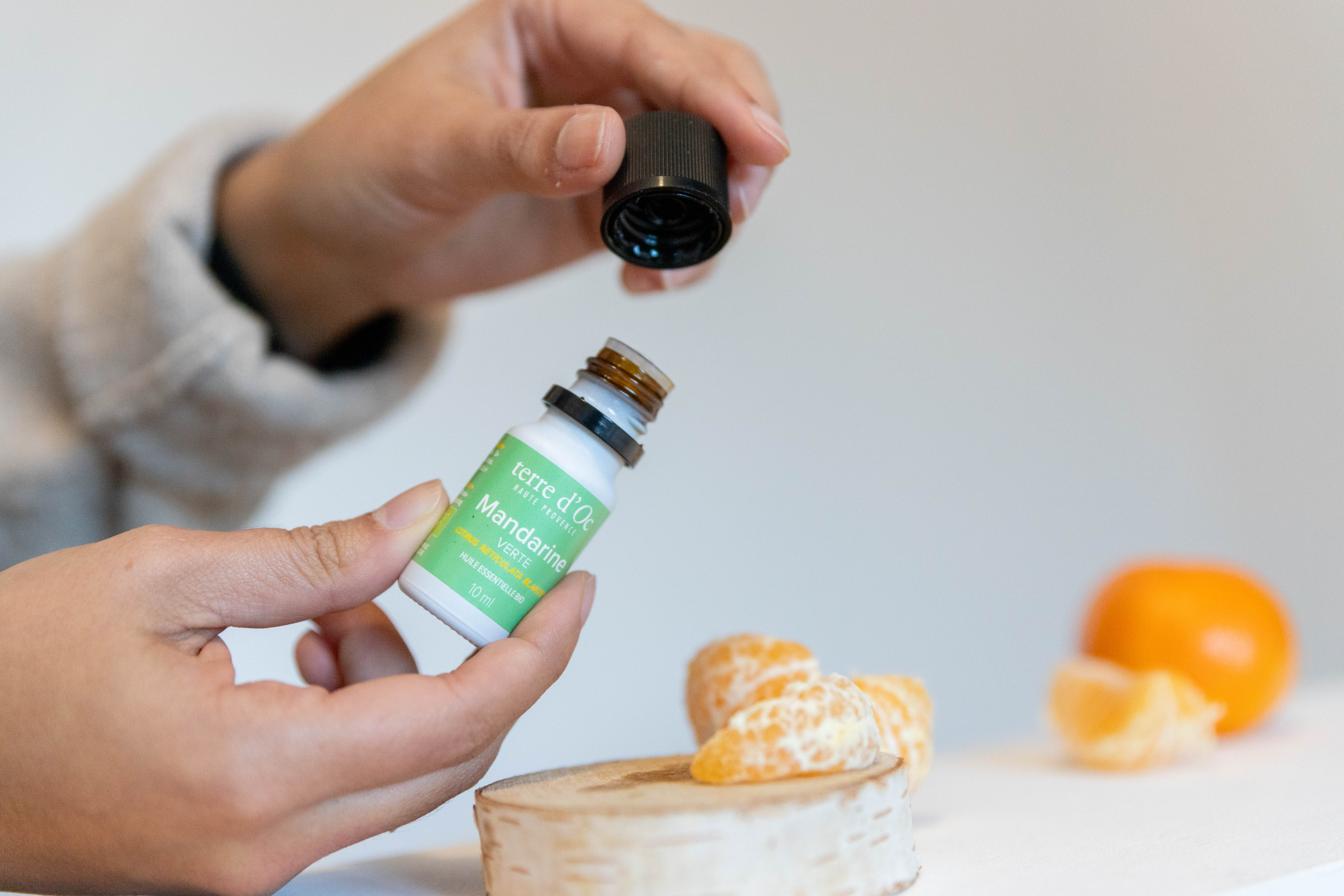
The product label should include at least the plant's common name, its botanical (Latin) name (for example, Mentha piperita for peppermint essential oil), as well as the batch number, expiry date, and the part of the plant used.

#2 Culinary Essential Oils: Getting the Dosage Right

Not all essential oils have the same aromatic intensity, so it's important to take this into account before adding them to a recipe. As a general rule, one or two drops are enough to flavour an entire dish. Using too much can overpower—or even spoil—the final result, so careful dosing is essential.

When using essential oils in cooking, there are two important rules to follow: they must be diluted in a fatty ingredient (such as a food-grade vegetable oil, egg yolk, melted butter or honey), as they do not mix with water, and they should not be exposed to excessive heat.

High temperatures can diminish their delicate aromas. We therefore recommend adding them to your dishes around five minutes before the end of cooking, or incorporating them into cake batter during preparation.

Top tip

If you need to use less than a single drop of essential oil, a wooden toothpick is the perfect solution. For example, if you'd like to flavour a cake batter with bergamot essential oil, dip the tip of the toothpick into the bottle, then stir it into the batter. Taste and adjust if necessary using the other end of the toothpick.

#3 Cooking with Essential Oils: Create the Perfect Balance of Flavours

Essential oils can be highly aromatic, so it's important to ensure they blend harmoniously with the other ingredients in your recipe. Some essential oils pair particularly well with certain foods. For example, lemon essential oil is a perfect match for fish dishes, salads and desserts.

Did You Know?

Essential oils are up to 50 times more concentrated in flavour and aroma than the plant or leaves from which they are extracted!

#4 Be Aware of Allergies and Sensitivities

When using essential oils in cooking, always take food allergies and individual sensitivities into account.

#5 Precautions for Use

Essential oils should never be considered a substitute for a balanced and varied diet. Always read the precautions for use provided on the bottle or packaging before use.

#6 Storing Your Culinary Essential Oils Properly

Store your essential oils in their original bottle, away from light and heat, to preserve their freshness and aromatic properties.

The bottle should be made of dark (tinted) glass to protect the essential oil from UV rays and fitted with a dropper cap for precise dispensing.

#7 The Aromatic Notes of Essential Oils in Cooking

Culinary essential oils are a simple and effective way to flavour both sweet and savoury dishes. They are naturally low in calories and can help reduce the need for added salt, sugar or fat (just one drop of culinary essential oil contains around 2 calories!).

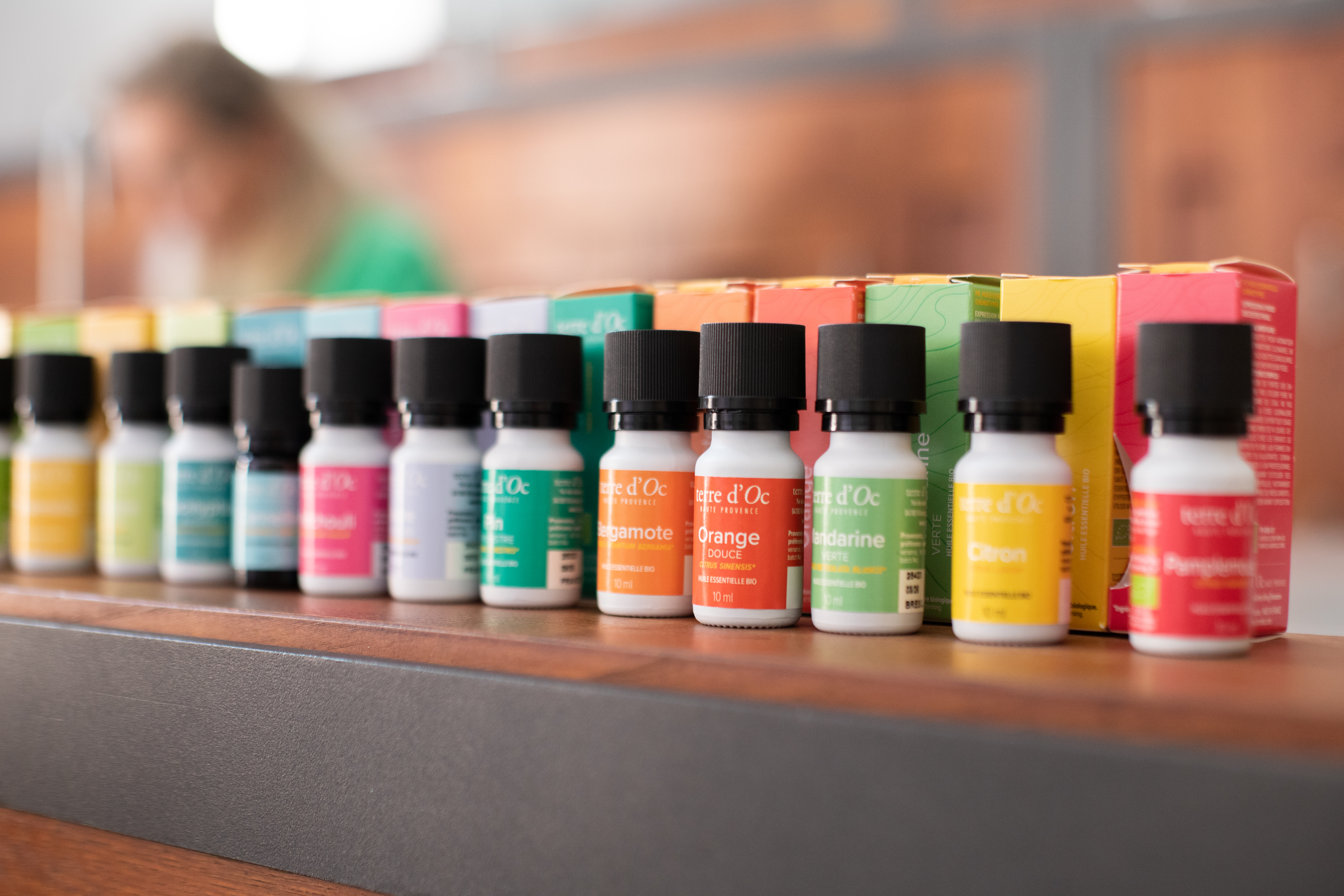
The most commonly used culinary essential oils are derived from aromatic herbs, citrus fruits, spices and flowers. Among the citrus varieties are lemon, sweet orange, grapefruit, bergamot and green mandarin. Their fresh, zesty aromas make them ideal for brightening desserts, fruit salads, cakes, chilled drinks and sauces.

Woody and spicy essential oils such as cinnamon, clove and ginger are prized for their warm, rich flavours, making them perfect for slow-cooked dishes such as tagines and curries. Aromatic varieties including linalool thyme, lemongrass, cineole rosemary, peppermint, verbena and lemon savory are appreciated for their fresh, herbaceous character, bringing a refreshing touch to salads, soups and marinades. Finally, floral essential oils such as rose geranium and true lavender add delicate floral notes to smoothies, mousses, cold drinks, fruit coulis and sorbets.

A Few Ideas to Get You Started…

  • For a tomato sauce: add 1 drop of linalool thyme or savory culinary essential oil to 1 teaspoon of olive oil.
  • For gingerbread: add 1 drop of cinnamon culinary essential oil to the mixture.
    For a fruit salad: add 1 drop of lemon culinary essential oil to your fruit salad.
  • For a chocolate cake: add 1 drop of peppermint culinary essential oil to your cake batter.

Discover terre d’Oc's collection of French-made, 100% pure and natural organic culinary essential oils, sourced in part from a farm nestled in the Alpes-de-Haute-Provence, in the heart of the Verdon Regional Natural Park and the UNESCO Haute-Provence Geopark.

A collection of 20 ORGANIC essential oils for cooking, as well as for naturally caring for your home and filling your living spaces with beautifully natural fragrances…

 
Posted in: News