.png)



.png)

Travel Diary: The Colors and Smiles of Sri Lanka’s Beautiful Women
Having happily taken over the leadership of Terre d’Oc nearly a year ago and finally being able to travel again after Covid, I was eager to meet our small-scale suppliers in Sri Lanka and visit the tea and spice plantations I had heard so much about.
What discoveries, what wonder, what emotions during this trip to Sri Lanka in April 2022, the “Pearl of Asia”, a nickname it truly deserves.
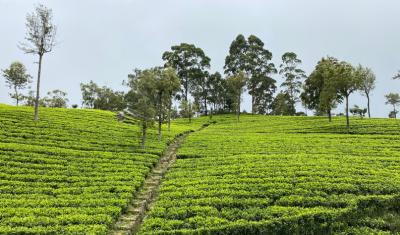
While it was a fantastic week filled with breathtaking views stretching from the mountains to the ocean, tea plantations covering the hillsides as if painted by an artist, lush jungles where countless spices grow, and tea and spice processing factories bustling with workers in colorful uniforms, it was above all a week of unforgettable encounters, especially those shared with the women of Sri Lanka.
/cms/blog/VOYAGE%20SRI%20LANKA/jardin.jpg" alt="" />
- Meeting the Tea Pluckers -
A Unique Adventure in the Tea Gardens
The most memorable and emotional encounters were with the tea pluckers.
ms/blog/VOYAGE%20SRI%20LANKA/femme-sac%20(1).jpg" alt="" />
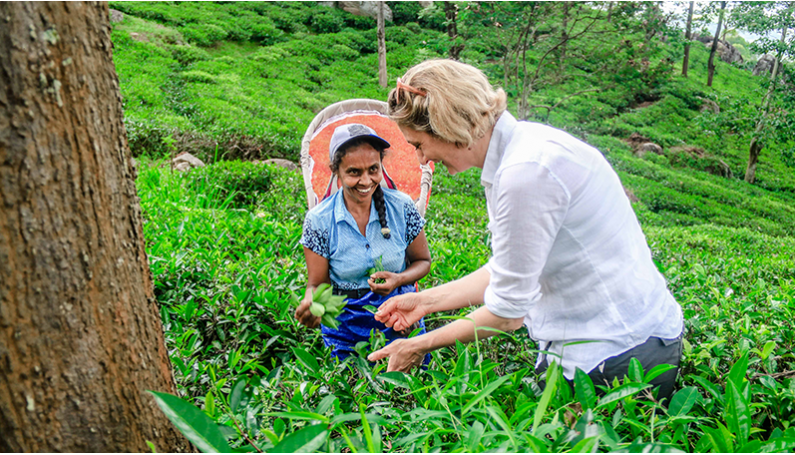
Walking through the hillside gardens, where a few leeches wasted no time greeting me, I approached the women and they welcomed me with smiles. Vibrant and full of life, they explained their work: which tea leaves they must harvest, the special techniques they use, and their working hours. That day, they were picking the second leaf, destined to be transformed into black tea.
I asked them their names, about their living conditions, their families, and whether their work was difficult. After answering my questions, they asked me if I had a family as well. I showed them a photo on my phone. They smiled. Their gestures and expressions spoke louder than words. They seemed to say: thank you for coming, thank you for your kindness, for your interest in our country and in what we do. I gave them Terre d’Oc products that I had brought with me in my suitcase. Hands intertwined: the sense of touch, a new connection, another thank you.
YAGE%20SRI%20LANKA/sri-lanka-laure-commerce-equitable_1242x1242.jpg" alt="" />
Hands intertwined: the sense of touch, a new connection, another thank you.
Spotlight on Our Tea Pluckers: Colorful & Joyful Women
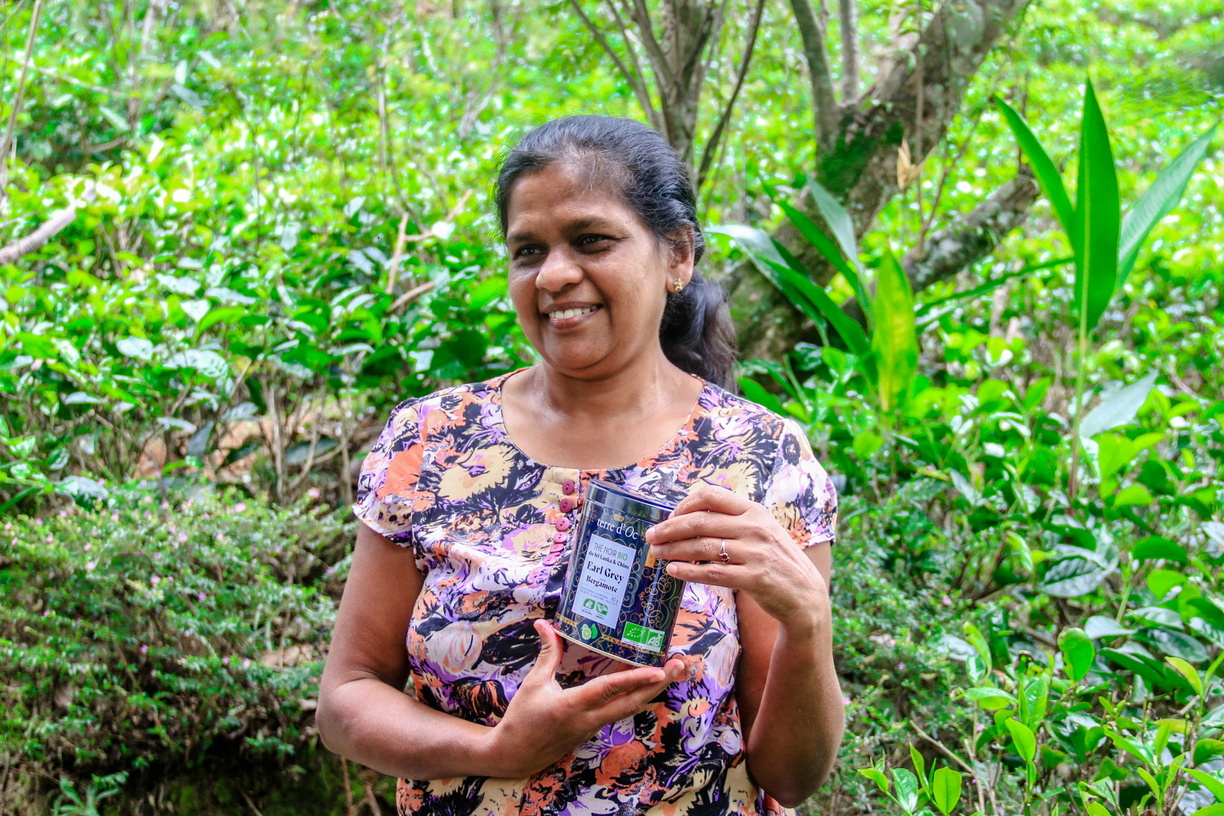 Women are the ones who pick the tea. The men then help carry the leaves in large sacks transported by tuk-tuk to the factory. They are happy, joyful, and vibrant. Purple, pink, orange, yellow: a rainbow of colors against the deep green of the tea gardens. It rains every day, and the lush scenery is magnificent. Their hands display remarkable dexterity, one leaf, then another, then another. To finish, they toss a handful into the basket carried on their backs.
Terre d’Oc works exclusively with organic farming. Every tea plucker told me that organic agriculture has changed their lives because it is better for the land, better for their health, and allows them to earn a little more.
- Meeting the Women’s Group of Kotakithula -
The MOPA Cooperative
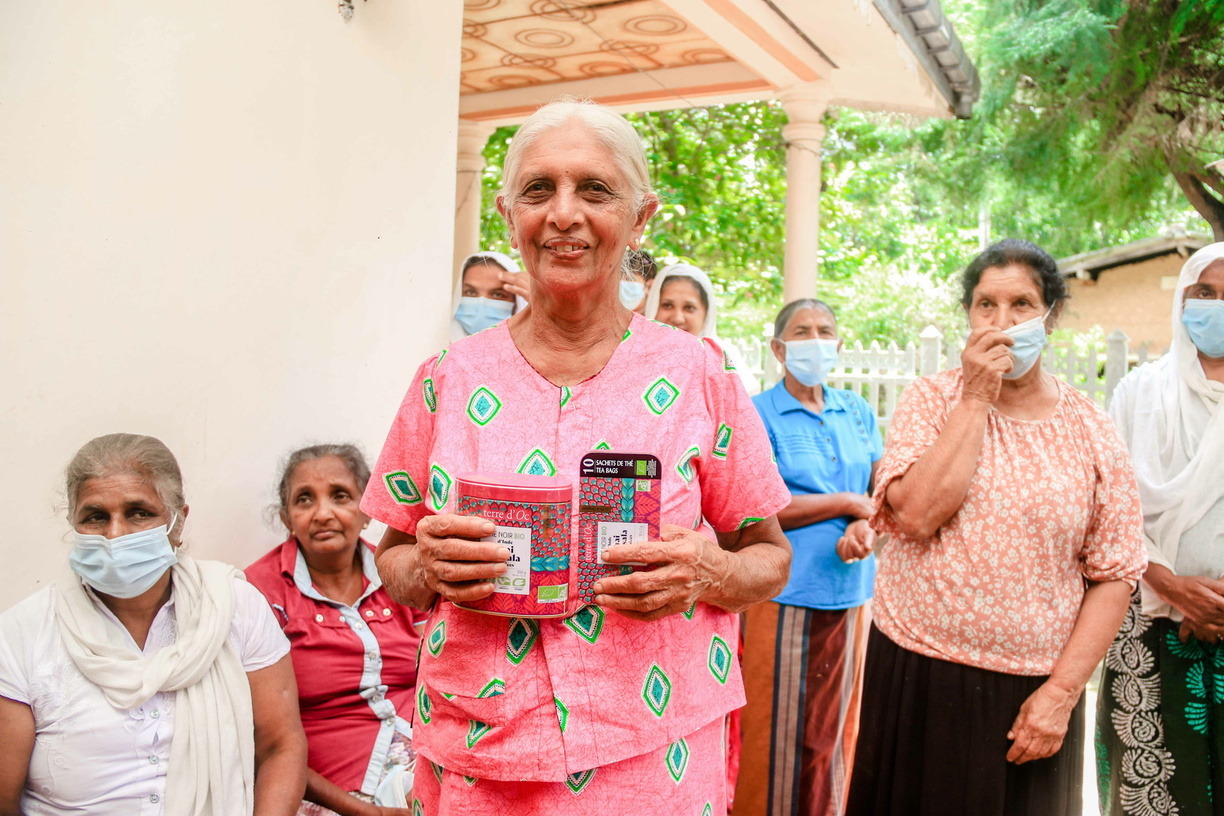 The women of Kotakithula have organized themselves as a community within their small village and are part of MOPA (Marginalized Organic Producers Association). This organization brings together small-scale farmers who operate in local community groups, often at the village level. We know one of these communities particularly well, the Kotakithula community, which Terre d’Oc visited several years ago. The women welcomed us into their community house to talk and exchange experiences.
/cms/blog/VOYAGE%20SRI%20LANKA/cueilleuse_the.jpg" alt="" />
Generally, there are around twenty women in each community, led by a group leader. Most own no more than one acre of land behind their colorful homes. Their gardens contain several tea bushes, which they harvest every day between 10 a.m. and 2 p.m. They also grow coffee plants, pepper vines, and other crops to supplement their income or for personal consumption. Once harvested, the tea leaves are collected and transported to our partner’s processing facilities.
They are happy to work with MOPA, benefiting from organic and Fair Trade practices and receiving better compensation.
They also benefit from additional services, such as training to manage their gardens effectively, guidance on compost production, access to quality fertilizers, as well as support for healthcare and their children's education.
Related posts
 Meeting the tea women in Sri Lanka
From Hapulate, there is not better way to discover the plantations and delight in the steep landscapes and the lush...
Read more
 Would you be interested in joining 1% for the planet?
This question was launched by the Director of the Fondation Nature et Découvertes when he visited us in 2017....
Read more
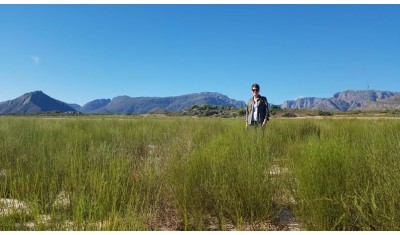 Fair For Life supply chain for organic rooibos from South Africa
During my trip in April 2019, I had the opportunity to meet the teams behind the Fair For Life (FFL) project. Despite...
Read more