
Free delivery on purchases over €49 in mainland France !
Gift card: The perfect gift idea to delight your loved ones.
-
< Back
-
-
Teas
- Voir tous les produits
-
-
-
-
-
-
- Herbal Tea and Rooibos
- Voir tous les produits
-
-
-
-
-
- Natural home
- Voir tous les produits
-
-
-
-
- Rituals
-
Back - Natural home
-
Back - Herbal Tea and Rooibos
-
Back
Empowering Women in Burkina Faso Through Independent Organic Farming

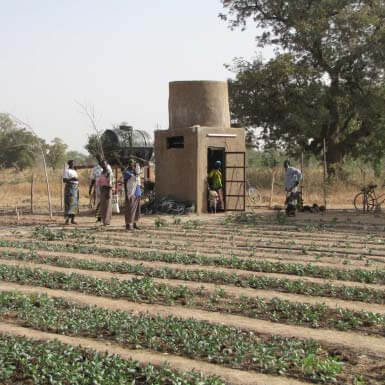
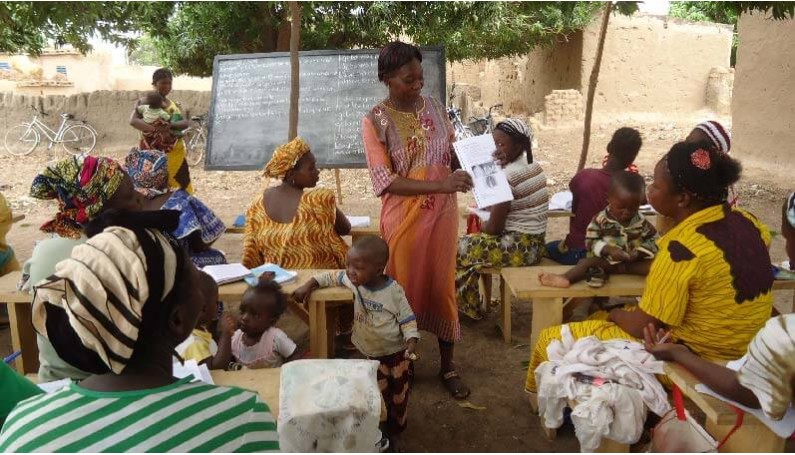
Dans le cadre des Rencontres Associations et Philanthropes organisées par le 1% pour la Planète, terre d’Oc a financé un micro-projet d’appui au développement durable mis en œuvre par l’association Kynarou. Le projet « PAAGA » qui lie autonomisation des femmes et agriculture biologique se situe au centre-sud du Burkina Faso.
As part of the Nonprofit and Philanthropist Meetings organized by 1% for the Planet, terre d’Oc funded a small-scale sustainable development project implemented by the nonprofit organization Kynarou.
The “PAAGA” project, which combines women’s empowerment with organic farming, is located in south-central Burkina Faso.
The Role of Women in Burkina Faso
In Burkina Faso, women play an essential role in the socio-economic life of their country. As in many African nations, they are key contributors to the well-being and health of their families, while also playing a vital role in ensuring food security.
Beyond raising children and caring for their households, women are actively involved in agricultural work alongside men. Yet, their contribution is often overlooked, undervalued, and rarely compensated.
Traditionally, women in Burkina Faso have been expected to support their husbands, care for their households, and take primary responsibility for raising their children.
Despite the efforts made by the Burkinabè government, the weight of customs and traditions still affects women today, who must overcome numerous obstacles to establish themselves in the agricultural sector.
Although many women work in the fields, they continue to face inequalities, restrictions in accessing land, and limited property rights. Women are often forced off the land they cultivate or confined to farming plots in the most arid areas, as these are frequently the only ones allocated to them. The many challenges they face on a daily basis hinder their potential to contribute fully to the economic development of their families and their country.
The “PAAGA” Project
The project was born from this observation and from Kynarou’s determination to support women’s empowerment in Burkina Faso.
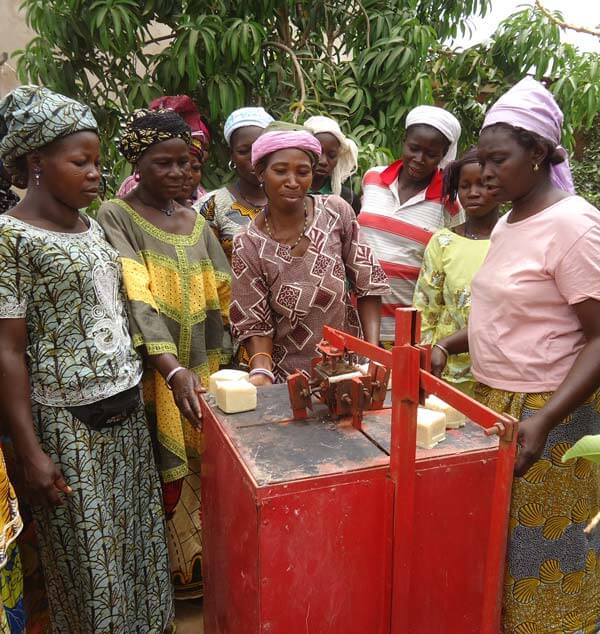
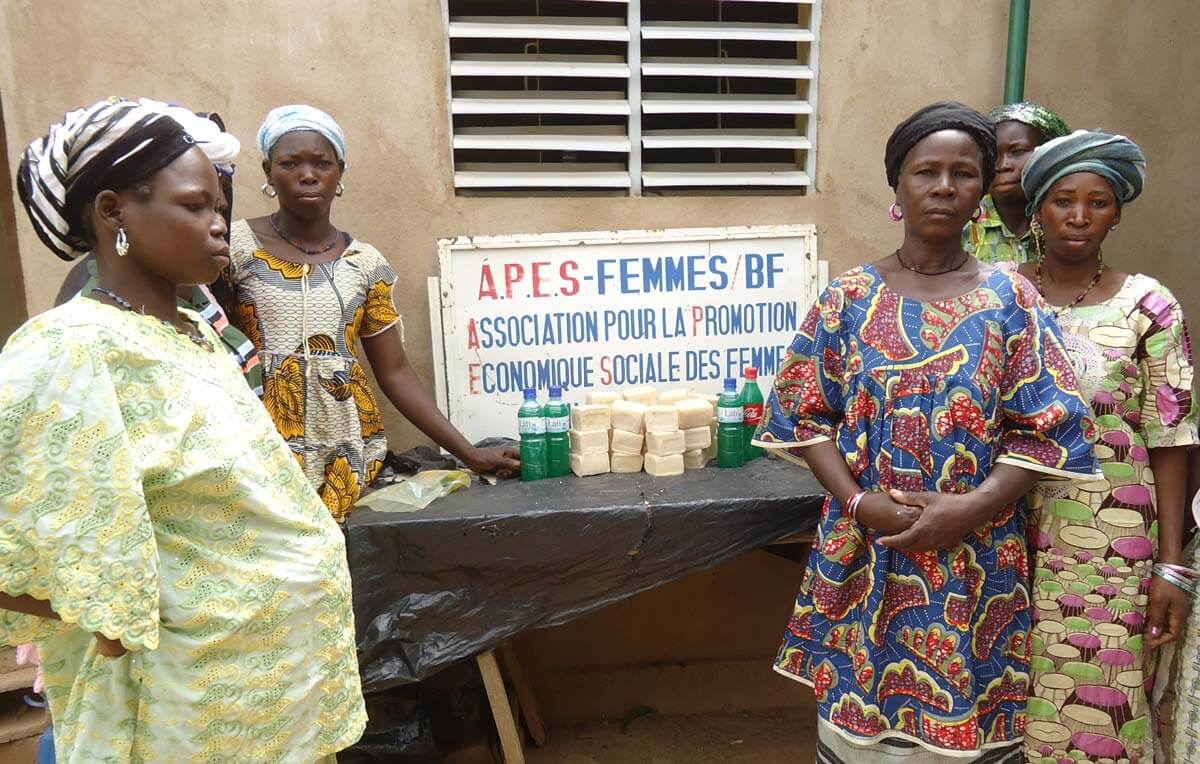
Its objective is to improve the working conditions of women and increase the productivity of a shea butter cooperative located in the municipality of Kombissiri. Created by the local organization APES (Association for the Economic and Social Promotion of Women in Burkina Faso), this cooperative aims to empower women and young girls while supporting them in gaining recognition of their rights.
Specializing in shea cultivation, this production unit is intended to grow and expand into the cultivation of new crops as well as organic farming.
Inspired by this initiative and supported by terre d’Oc, Kynarou decided to contribute its expertise to APES in order to help bring this project to life.
For the past 16 years, Kynarou has been implementing projects that improve access to essential services, particularly water and sanitation, in India, Burkina Faso, and Togo. Over the years, the organization has gradually expanded its activities, notably into the field of family-based organic farming.
Deeply committed to women’s empowerment through our projects in India, we see the PAAGA project as a wonderful opportunity to continue our efforts in support of women’s emancipation and the reduction of inequalities.
The Project Consists of Three Key Components:
• ORGANIC FARMING
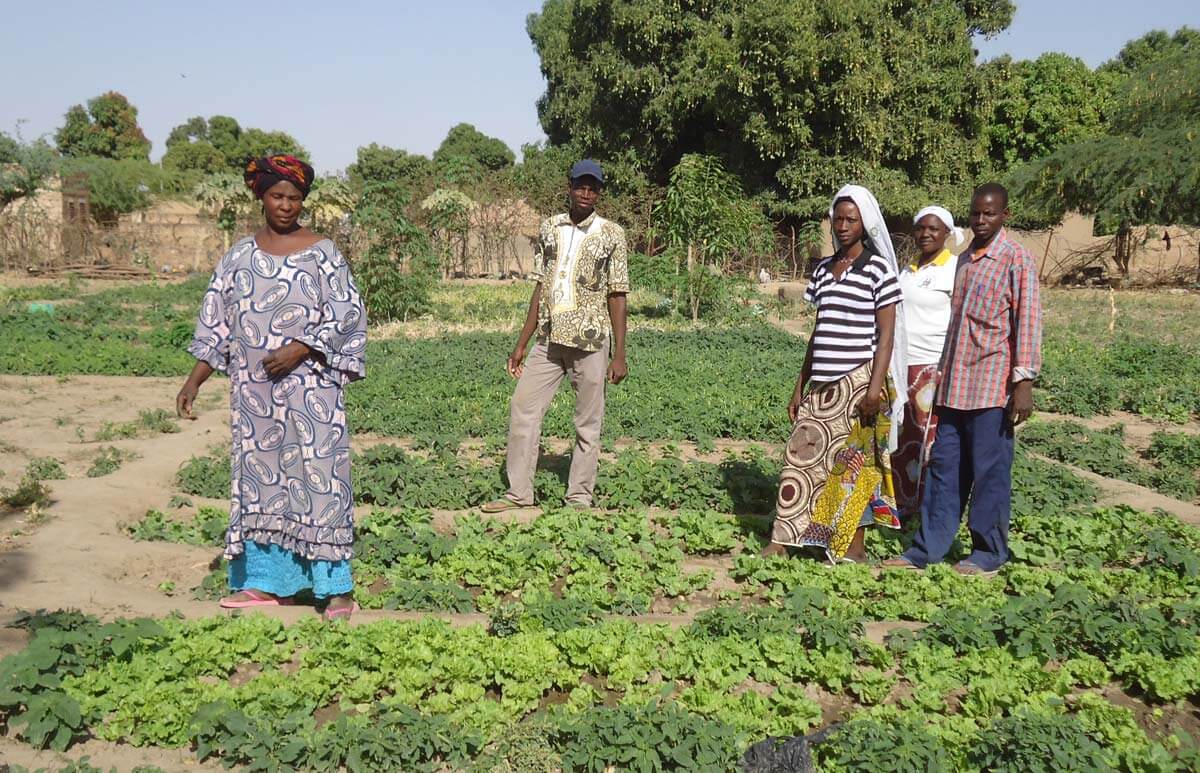
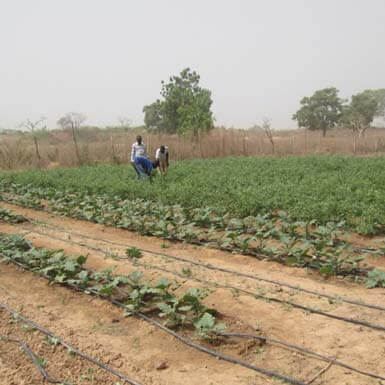
This component aims to expand the women's skills and expertise in organic agriculture through the creation of a collective gardening complex equipped with a drip-irrigation system for organic farming, as well as facilities for storing and selling garden produce. The women will also receive training in organic farming techniques, including the production of organic compost.
• WATER, HYGIENE AND SANITATION
To improve the women's working conditions, several infrastructures will be built, including a borehole providing the cooperative with access to safe drinking water, community latrines, and a perimeter wall to secure and protect the production site.
• WOMEN'S EMPOWERMENT
The project also aims to strengthen women's capacity for self-reliance and health management through training in income-generating activities (IGAs) and entrepreneurship, as well as instruction on the maintenance and management of the infrastructures established under the project.
Related posts
-
Would you be interested in joining 1% for the planet?
Posted in: Commitment16 • 11 • 2019This question was launched by the Director of the Fondation Nature et Découvertes when he visited us in 2017....Read more -
Fair For Life supply chain for organic rooibos from South Africa
Posted in: Commitment16 • 11 • 2019During my trip in April 2019, I had the opportunity to meet the teams behind the Fair For Life (FFL) project. Despite...Read more -
Empowerment of women
Posted in: Commitment06 • 03 • 2020Le 8 mars, c’est la journée internationale des droits de la femme, l’occasion de rappeler qu’il faut travailler pour...Read more