
Free delivery on purchases over €49 in mainland France !
Gift card: The perfect gift idea to delight your loved ones.
-
< Back
-
-
Teas
- Voir tous les produits
-
-
-
-
-
-
- Herbal Tea and Rooibos
- Voir tous les produits
-
-
-
-
-
- Natural home
- Voir tous les produits
-
-
-
-
- Rituals
-
Back - Natural home
-
Back - Herbal Tea and Rooibos
-
Back
International Tea Day – 21 May 2026
Where does International Tea Day come from?
Historically, the first International Tea Day was celebrated on 15 December 2005 in New Delhi, India, following an initiative by the United Nations Conference on Trade and Development (UNCTAD) and the Food and Agriculture Organization of the United Nations (FAO).
Where does International Tea Day come from?
Historically, the first International Tea Day was celebrated on 15 December 2005 in New Delhi, India, following an initiative by the United Nations Conference on Trade and Development (UNCTAD) and the Food and Agriculture Organization of the United Nations (FAO).
Since then, International Tea Day has been celebrated every year on 21 May in many countries around the world.
International Tea Day was established to raise awareness of the issues surrounding tea production, its social and economic impact in many regions of the world, and the living and working conditions of tea workers.
It is also an opportunity to highlight the health benefits of tea.
On International Tea Day, many events take place across France and around the world, including free tea tastings, conferences, workshops and visits to tea plantations.
The challenges
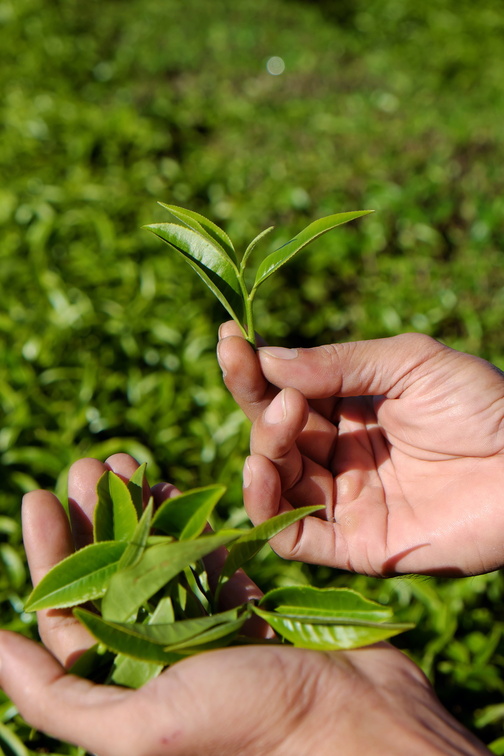
From an environmental perspective, tea cultivation can involve the intensive use of pesticides and chemical fertilisers, which may harm biodiversity, soil and waterways. Tea producers therefore need to adopt more sustainable farming practices by using organic methods and protecting biodiversity.
From a social perspective, tea plantation workers often face difficult working conditions, very low wages and health issues, frequently linked to exposure to chemicals and pesticides.
Finally, from an economic perspective, tea production can contribute to the development of rural areas by creating jobs and generating income for local communities.
terre d’Oc and the tea industry
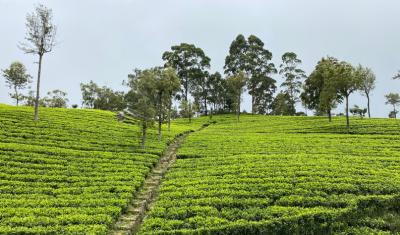
For many years, terre d’Oc has worked closely with its tea producers in Sri Lanka, China, India and South Africa, ensuring that every tea is of the highest quality while respecting natural resources, biodiversity and the people who cultivate it.
Every new raw material sourced by terre d’Oc is selected through an organic, Fair Trade or local supply chain. For nearly 20 years, terre d’Oc has placed people at the heart of its partnerships.
Meeting producers in person helps us build lasting relationships and place people at the heart of every partnership. Through ongoing dialogue, terre d’Oc also ensures that producers benefit from good working conditions, particularly by supporting CSR standards and helping producer groups achieve Fair Trade certification or verification. These commitments guide all of terre d’Oc’s business relationships.
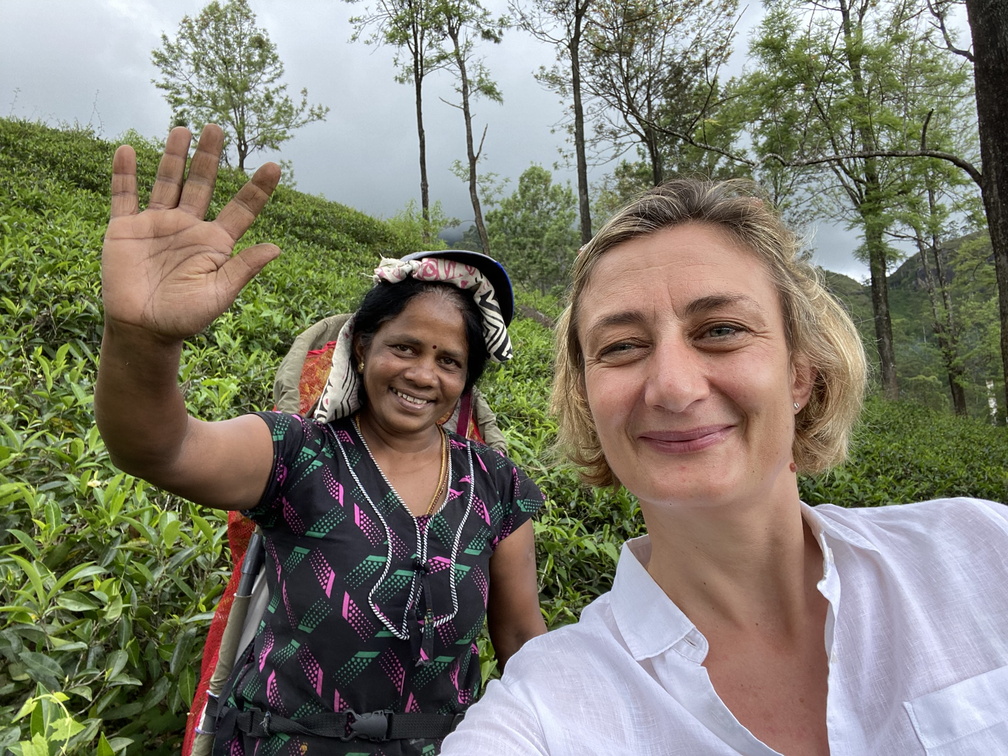
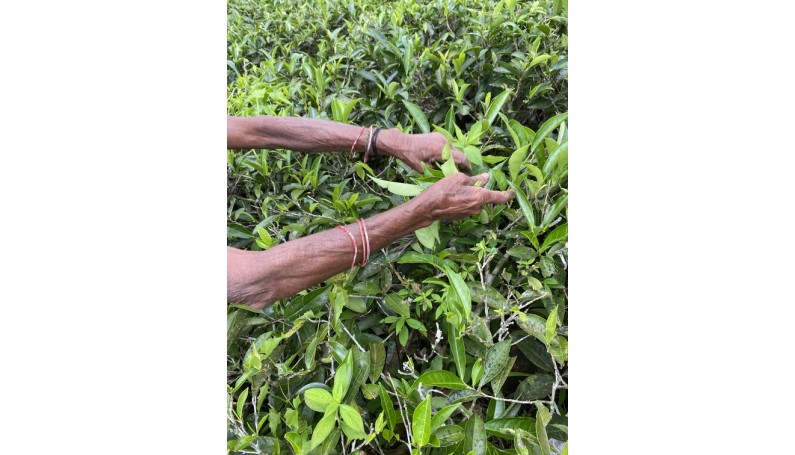
One example is our organic tea supply chain with the Kotakithula women’s producer group in Sri Lanka.
The association aims to support small and medium-sized tea farmers by helping them overcome the challenges of selling their harvest on the market. Today, the producer group brings together more than 800 families.
For several years, terre d’Oc has supported the women tea growers of this producer group and funded 4,000 tea bushes (in 2021 and 2022) to replace plants that had died or been damaged by fungi or insects. These young tea plants were distributed among the village and the producer group to enrich and strengthen their tea gardens.
terre d’Oc's commitments
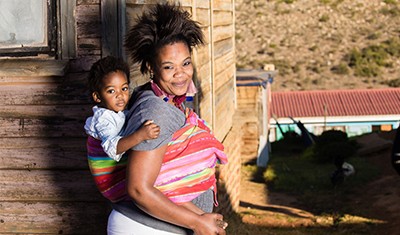
Highlighting the talent and work of women in France and around the world, and supporting them in their projects:
• Giving priority to women’s producer groups
• Supporting tea, herbal and botanical supply chains
• Providing technical and material support to help improve producers’ working conditions
• Showcasing their expertise, often passed down through generations
• Promoting organic, ethical and Fair Trade sourcing, while supporting local supply chains and small-scale producers in France and around the world
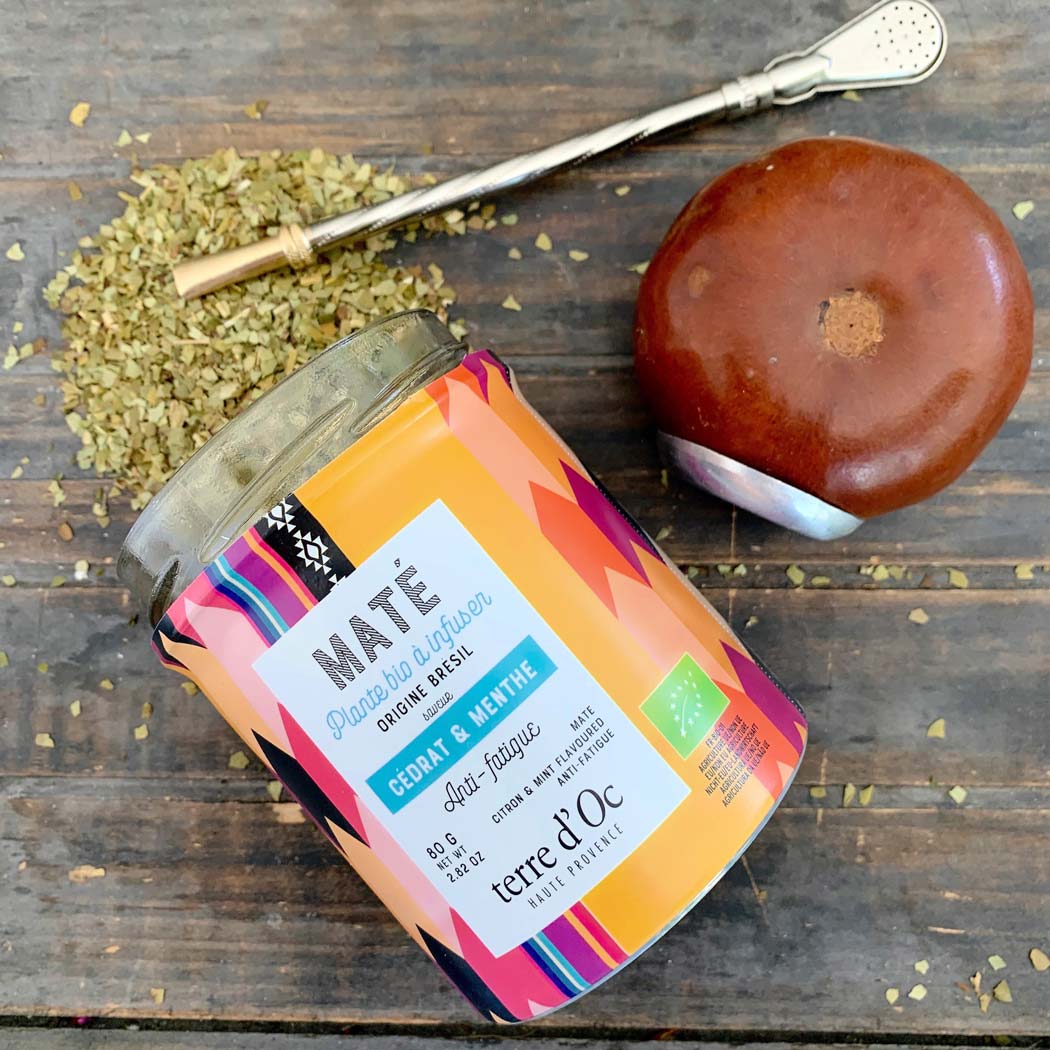
terre d’Oc is committed to Fair Trade partnership agreements with producers of South African rooibos, Brazilian yerba mate, Burmese white tea, and soon with Sri Lankan white and black tea producers. Through these Fair Trade partnerships, terre d’Oc helps ensure:
• Contractual prices and purchase volumes guaranteed for a minimum of three years
• The payment of a Fair Trade premium (5–6% paid with each purchase)
• Fair prices for producers, along with safe and decent working conditions
• Greater autonomy for producers and improved living conditions
• Support and solidarity in the face of unforeseen challenges
• The preservation of biodiversity and soil fertility
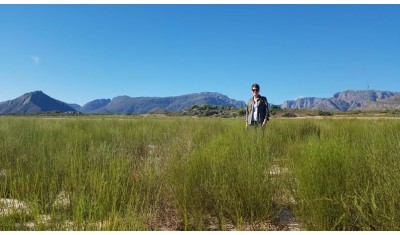
In South Africa, the Fair Trade partnership for rooibos benefits the entire community by funding English lessons for producers, providing food support for elderly residents, and creating play areas at the local school. These partnerships are an opportunity to share our values in a tangible way and to enjoy meaningful moments built around inspiring encounters and a shared passion for tea.
In Brazil, the Fair Trade ORGANIC YERBA MATE supply chain has created jobs and promoted women into positions of responsibility within the production facility.
According to the United Nations, “global tea consumption and production are expected to continue growing over the next decade, driven by strong demand from developing and emerging countries. According to a report by the FAO Intergovernmental Group on Tea, this trend will create new income opportunities in rural areas and improve food security in tea-producing countries.”
Related posts
-
Would you be interested in joining 1% for the planet?
Posted in: Commitment16 • 11 • 2019This question was launched by the Director of the Fondation Nature et Découvertes when he visited us in 2017....Read more -
Fair For Life supply chain for organic rooibos from South Africa
Posted in: Commitment16 • 11 • 2019During my trip in April 2019, I had the opportunity to meet the teams behind the Fair For Life (FFL) project. Despite...Read more -
Empowerment of women
Posted in: Commitment06 • 03 • 2020Le 8 mars, c’est la journée internationale des droits de la femme, l’occasion de rappeler qu’il faut travailler pour...Read more