.png)



.png)

Supporting the Women Tea Growers of KOTAKITHULA in Sri Lanka
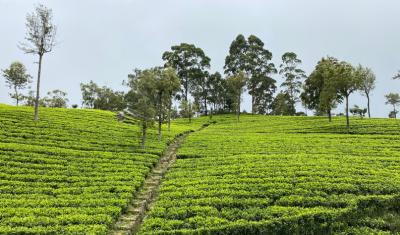
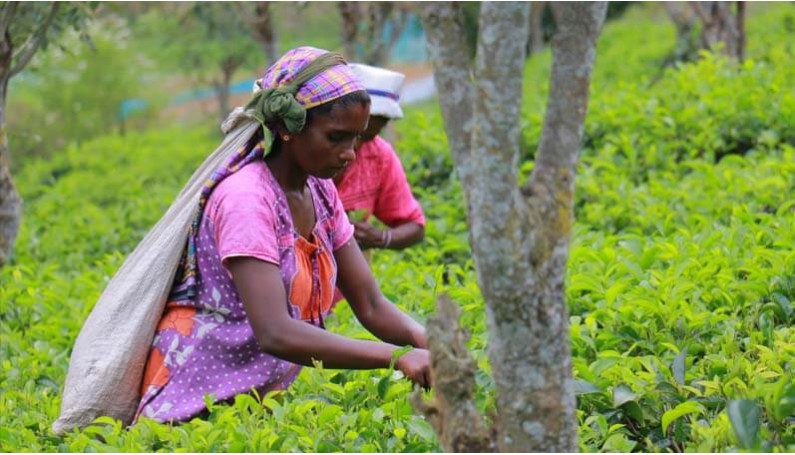
It was in the small village of Kotakithula, in the Uva region near Udapillegama in southern Sri Lanka, that I met these remarkable tea-growing women.
Unlike in many other parts of Sri Lanka, these women are in control of their own lives and those of their families. Around twenty years ago, in what was then a highly patriarchal society, they decided to take action. They broke new ground by joining the MOPA association, which brings together marginalized small-scale tea producers. Through this organization, they benefit from guaranteed minimum prices, but above all from the strength of collective action, training programs, and education in biodynamic farming practices, enabling them to take their commitment to biodiversity even further.
Alone we can go far, but together we can go much further!
They understood how precious the biodiversity of their tea gardens is, and how important it is to protect, respect, and nurture the health of their soils.
They also realized that completely eliminating pesticides was essential to protecting the health of their families.
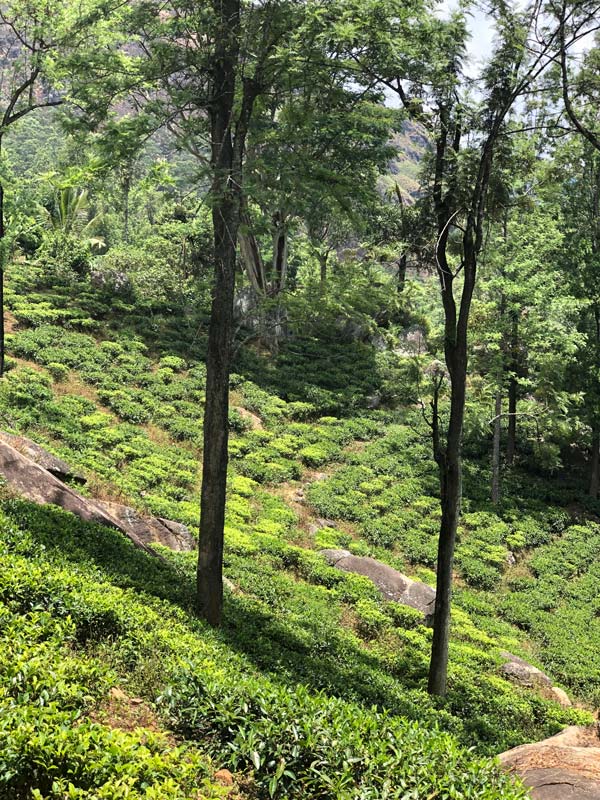
While visiting the tea gardens, I quickly noticed that many tea bushes were missing from the rows. Some shrubs had been weakened by insects or fungal diseases and were gradually dying, while the women could not afford to purchase replacements. More accurately, replacing the plants had fallen to the bottom of their priority list, as the cost of young tea plants had risen significantly in recent years. Unfortunately, this meant lower yields and reduced harvests from their gardens.
We therefore decided to help in a very practical way by funding 1,000 two-year-old tea plants in February 2021, just before the rainy season.
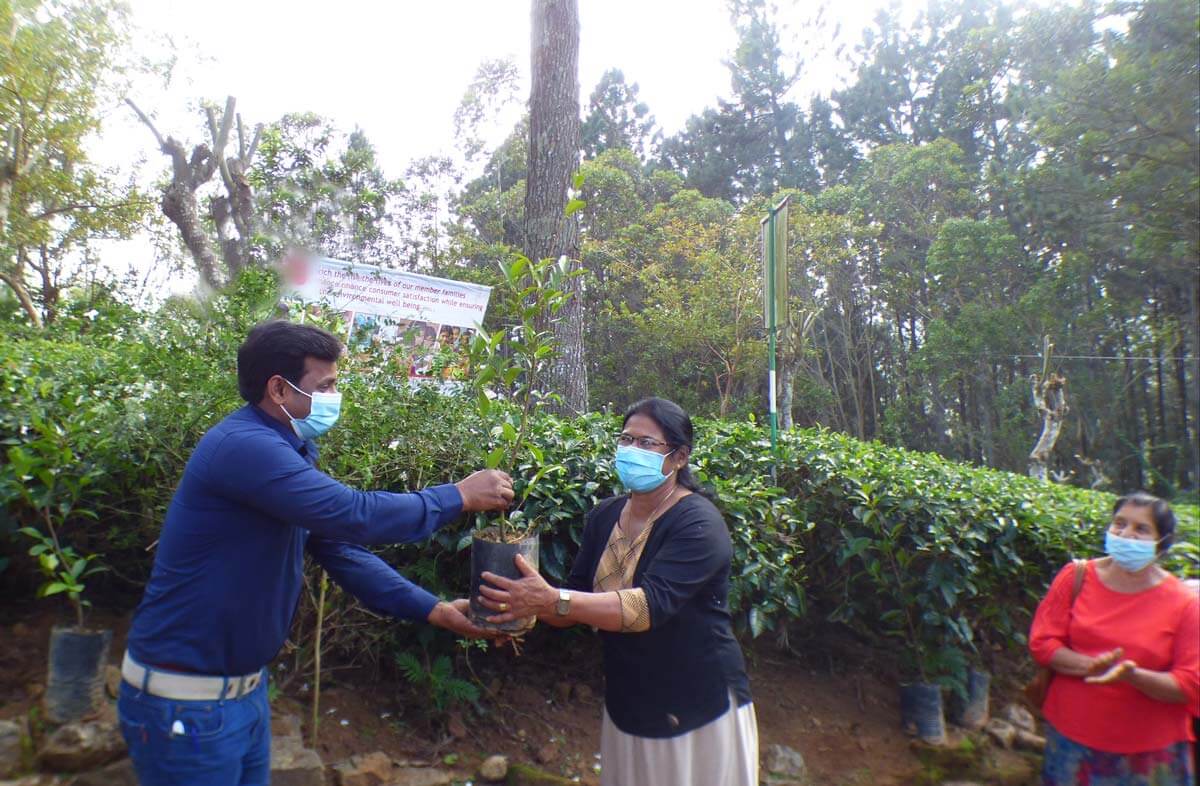
The women of Kotakithula joyfully received the tea plants from Dr. Sarath, founder of the MOPA association, in an atmosphere of friendship and shared purpose.
They then began planting them, carefully adding compost—produced according to biodynamic farming principles—to each planting hole, before applying mulch to limit evaporation. The young plants were then staked to support their growth.
Once the plants reach a height of approximately 45 centimeters, they will be lightly pruned and pinched back to encourage stronger development.
The tea plants donated this year to the 14 women are already mature enough to allow a first harvest after only six months, whereas new tea plants normally require around three years before harvesting can begin.
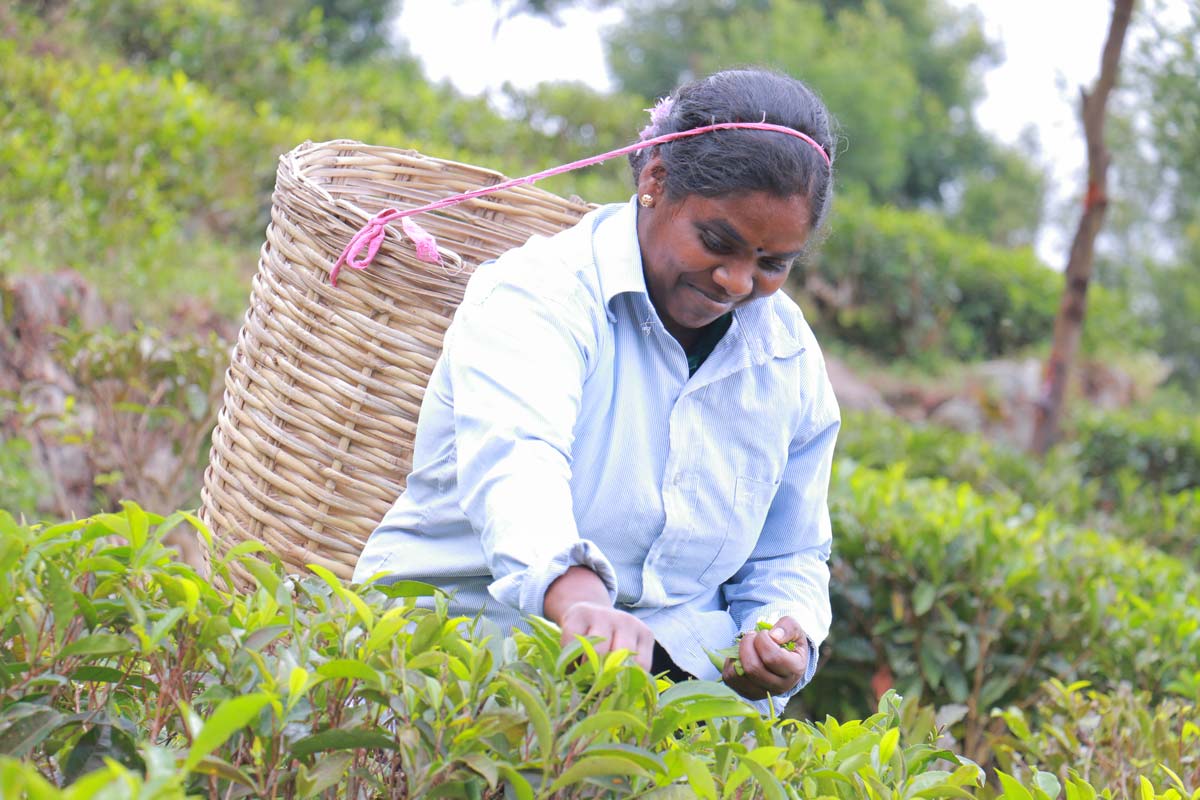
This first harvest will need to be very light so as not to weaken the young tea bushes, after which harvesting will take place at regular intervals of every six to ten days throughout the picking season. Spice trees are always planted among the tea bushes to provide essential shade while also enhancing biodiversity and creating a thriving ecosystem. These trees are pruned every six months, and the cuttings are shredded on-site, naturally enriching the soil with nitrogen.
Posted in:
Commitment
Related posts
 Would you be interested in joining 1% for the planet?
This question was launched by the Director of the Fondation Nature et Découvertes when he visited us in 2017....
Read more
 Fair For Life supply chain for organic rooibos from South Africa
During my trip in April 2019, I had the opportunity to meet the teams behind the Fair For Life (FFL) project. Despite...
Read more
 Empowerment of women
Le 8 mars, c’est la journée internationale des droits de la femme, l’occasion de rappeler qu’il faut travailler pour...
Read more