
Matcha vs. Classic Green Tea: What’s the Difference?

 
matcha vs thé vert

For centuries, green tea has been appreciated for its benefits and its delicate, vegetal flavours. Among its many varieties, matcha stands out for its unique preparation method and distinctive properties. But what are the differences between these two drinks? In this article, we invite you to discover which one best suits your preferences.

1. Origin and Production Process: Matcha vs. Green Tea Matcha:

The matcha

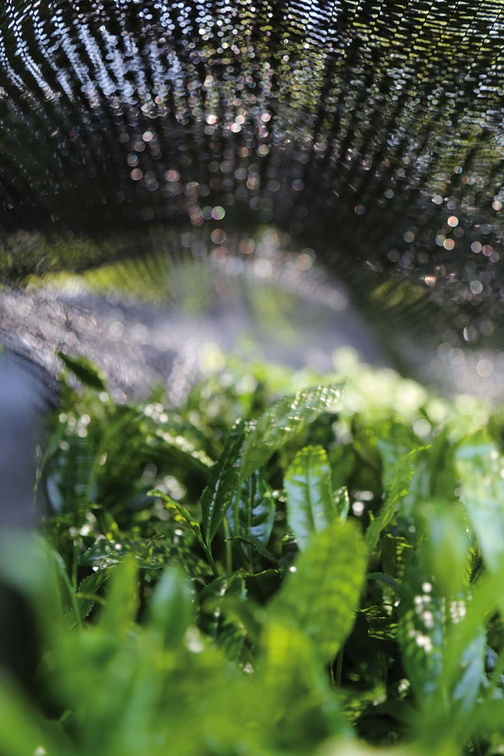
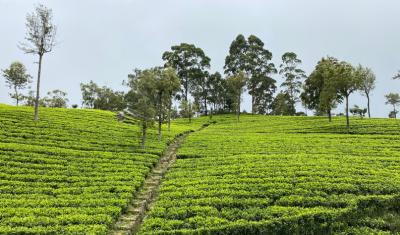
Matcha is a green tea originating from Japan, produced using shade-grown cultivation. It comes from the Camellia sinensis plant, the one and only plant from which all types of tea are produced, regardless of their colour (black, white, green tea, etc.). A few weeks before harvesting, the tea plants are shaded to limit their exposure to sunlight. This process promotes a higher concentration of chlorophyll and amino acids, giving matcha its distinctive bright green colour and characteristic umami taste. After harvesting, only the finest leaves are selected, dried and finally finely ground into a powder, creating matcha powder.

How can you recognise a high-quality matcha?

Matcha is a treasure of Japanese tradition, appreciated for its benefits and rich aromatic profile. But how can you tell an exceptional matcha from an ordinary one? Several clues can help you assess its quality.

A vibrant colour, a sign of freshness

A good matcha can first be recognised by its colour: the more bright, intense and vibrant green it is, the better its quality. This distinctive colour comes from shading the tea plants for several weeks before harvesting, which promotes a high concentration of chlorophyll and amino acids, particularly L-theanine.

A fine and silky texture

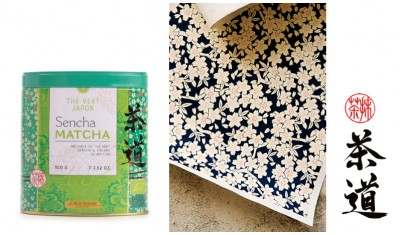
Another simple test is to spread a small amount of matcha powder onto a sheet of white paper. Look at the mark it leaves behind: if it appears slightly oily and even, this indicates that the powder has been finely ground and is rich in natural oils, a clear sign of superior quality.

A velvety, umami flavour

Finally, tasting is the ultimate test. A high-quality matcha offers a smooth, almost sweet flavour, with a naturally velvety texture and a pleasant, lingering finish. It should reveal subtle vegetal notes, without excessive bitterness, along with a powerful umami flavour — that deep, rich and enveloping taste that gives exceptional tea its distinctive character. By choosing a high-quality matcha, you can fully enjoy its benefits and refined flavour for an authentic and incomparable sensory experience.

Green tea and matcha are not simply drinks, but moments of peace and vitality, offering a balance between tradition and well-being.

The Green Tea

Green tea is one of the most widely consumed beverages in the world, appreciated for its benefits and delicate flavour. But did you know that its production process is completely different from that of matcha? Although both teas come from the same plant, Camellia sinensis, their processing has a significant influence on their flavour, texture and properties.

A specific production method

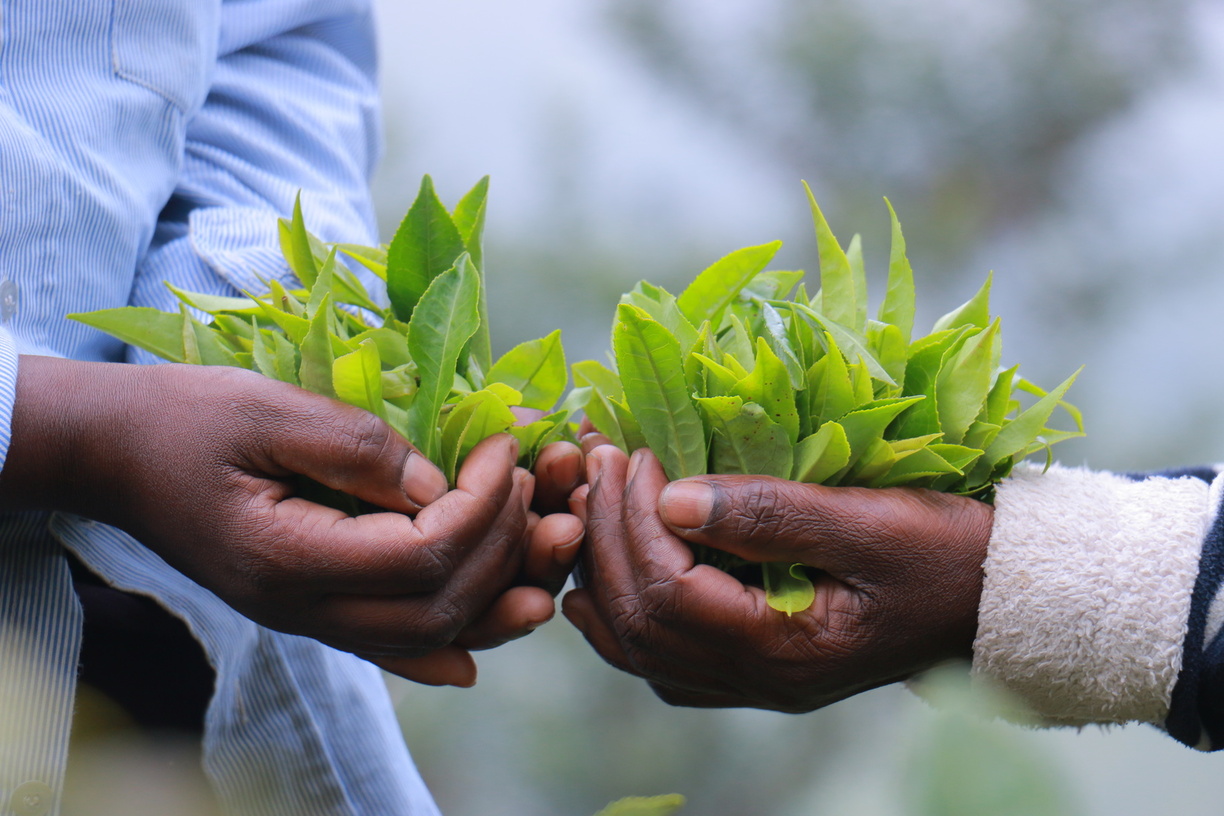
Unlike matcha, whose leaves are ground into a fine powder after being carefully shade-grown, classic green tea is produced using a more traditional process. After harvesting, the leaves are quickly heated – either by roasting (the Chinese method) or steaming (the Japanese method) – to stop oxidation. This crucial step helps preserve the tea’s beautiful green colour, retain its fresh flavours and prevent excessive bitterness.

A subtle aromatic profile

Thanks to this method, green tea develops a delicate flavour profile, with vegetal notes and sometimes slightly floral or marine notes, depending on its origin. It offers a smooth and refreshing taste, quite different from matcha’s creamy intensity and umami character. While matcha coats the palate with a velvety texture and pronounced richness, classic green tea is enjoyed as an infusion, revealing a lighter and more delicate elegance.

Benefits are preserved

Like matcha, green tea is rich in antioxidants, particularly catechins, which help protect the body against oxidative stress. It is also known for its stimulating effects, thanks to the caffeine it contains, but in a gentler and more gradual way than coffee.

2. The Benefits of Matcha and Green Tea

The Benefits of Matcha:

- Rich in antioxidants, particularly catechins.

- Provides long-lasting energy thanks to the combination of caffeine and L-theanine.

- Improves concentration and promotes relaxation without nervousness.

The Benefits of Green Tea

- Hydration and detoxification.

- Helps support healthy digestion.

- A milder stimulating effect than matcha, making it suitable for regular consumption throughout the day.

Whether you choose green tea as an infusion or matcha for its smooth, enveloping texture, both offer a unique and enjoyable tea-drinking experience. The choice ultimately depends on your preferences and how you like to enjoy your tea.

3. Preparation and Tasting

Matcha:

A drink to whisk

Matcha is prepared differently from classic green tea. Matcha powder is mixed with hot water (not boiling) and then whisked with a chasen (bamboo whisk) to create a slightly frothy texture. It can also be enjoyed with milk (plant-based milk, coconut, almond, hazelnut, etc.).

How to prepare matcha in 3 steps:

1- Take one serving of matcha and add 60 ml of hot water (80°C).

2- Whisk until you obtain a smooth, frothy texture.

3- Top up with hot or iced water, or milk (plant-based, oat, hazelnut, etc.). For a hot version: add 150 to 200 ml of hot water or milk, according to your preference.

Iced version: Add 150 to 200 ml of cold water or milk, mix well, then pour over ice cubes for a refreshing drink.

Green tea: a tea to be steeped

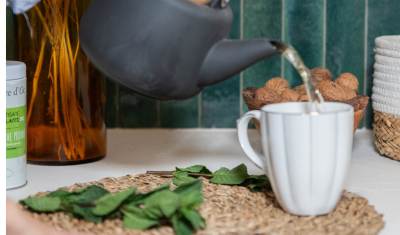
Green tea is steeped using whole leaves or tea bags. Simply heat the water to the temperature recommended for your green tea, let it steep for the suggested amount of time, then remove the leaves or tea bag before enjoying your tea.

4. Which One Should You Choose Based on Your Needs?

The choice between matcha and classic green tea depends on your habits and preferences.

Looking for an energy and focus boost? Choose matcha.

Do you prefer a light tea that is easy to enjoy throughout the day? Classic green tea is ideal.

Do you enjoy smooth, umami flavours? Matcha offers a unique taste experience.

Looking for a more accessible and quick-to-prepare option? Classic green tea is more convenient.

In conclusion, matcha and green tea each have their own unique characteristics and benefits. Matcha is ideal for those looking for an energising drink rich in nutrients, while classic green tea is perfect for those who enjoy a light tea that is easy to prepare.

Discover organic matcha and organic green teas from terre d’Oc

 
Posted in: News, Tea time