
What Are the World's Leading Tea-Producing Countries?
 

Each month, we explore topics that spark your interest or answer the questions you may have. Today, we invite you to discover the world's leading tea-producing countries and the key challenges facing tea production in these regions.

Did you know ?

The discovery of tea is traditionally attributed to Emperor Shennong in China (2737 BCE). According to legend, the Emperor was boiling water when tea leaves, carried by the wind, fell into his pot, creating the very first infusion of tea.

The world's fascination with this remarkable beverage has never faded. As a result, global tea production reached 7,024,042 tonnes in 2020! (Source: FAO).

The world's leading tea-producing regions are East Asia and East Africa.

China and India are the world's largest tea producers and exporters. Kenya is also a major tea-producing country and Africa's largest tea producer, with an annual output of around 450,000 tonnes of tea. Sri Lanka ranks as the world's fourth-largest tea producer, with an annual production of approximately 340,000 tonnes of tea. Ceylon tea is predominantly black tea. Vietnam follows with an annual production of around 260,000 tonnes of tea.

Vietnam mainly produces green and black tea. Other tea-producing countries on a smaller scale include Turkey, renowned for its black tea production, and Indonesia, which is also a significant producer of black tea. Finally, Japan is famous for its high-quality green tea, with the country's main tea-growing regions being Shizuoka, Kagoshima and Uji.

China

As the birthplace of tea, China is the world's largest tea producer, accounting for more than 30% of global tea production. It is the only tea-producing country to offer all six categories of tea: green, black, oolong, blue-green, white, yellow and pu-erh. Green tea is by far the most popular and widely consumed tea in China. China is also the world's largest tea consumer, representing nearly 40% of global tea consumption.

A remarkable diversity of teas is cultivated across the southern provinces of the country:

Anhui Province is renowned for Keemun, a Chinese black tea grown in the Qimen region. Keemun is considered one of China's finest black teas, prized for its smooth, fruity flavour and delicate floral aroma.

Hunan Province is well known for its production of black teas.

Fujian Province is famous for producing white teas, including Bai Hao Yin Zhen and Bai Mu Dan.

Yunnan Province is the birthplace of Pu-erh tea, a fermented and aged tea appreciated for both its distinctive flavour and its reputed health benefits.

• Finally, Zhejiang Province is renowned for producing green teas such as Long Jing, as well as white and oolong teas. In China, tea plays an important role in many traditions, particularly during wedding ceremonies and official ceremonies.

India

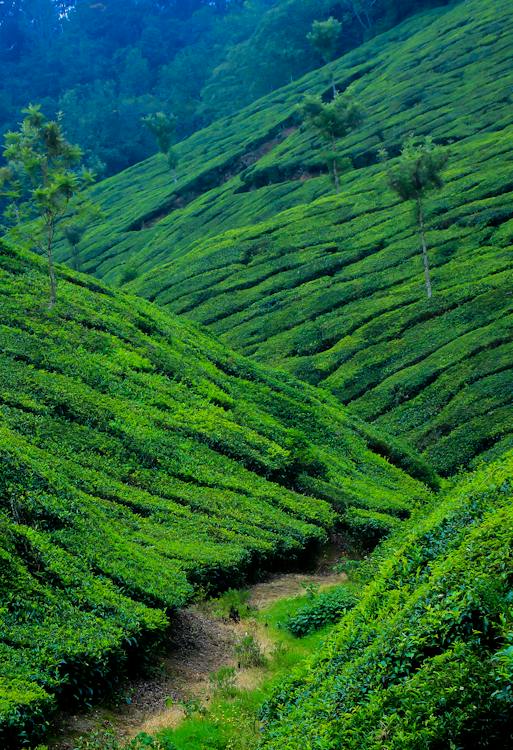
India is the world's second-largest tea producer, accounting for around 25% of global tea production, and the second-largest tea consumer, representing nearly 20% of worldwide tea consumption. Tea cultivation is concentrated in the north and south of the country. India is renowned for its malty Assam teas and its exceptional Darjeeling teas.

In 2011, the European Union granted Darjeeling Protected Geographical Indication (PGI) status, making it the first—and still the only—Protected Geographical Indication in the world of tea.

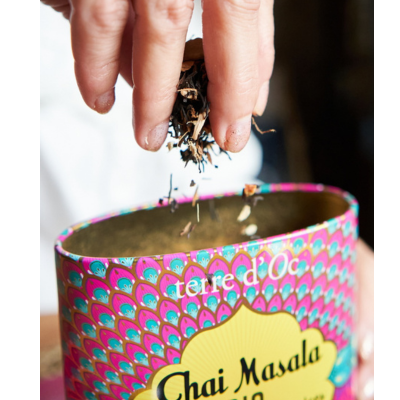
Tea is an integral part of everyday life in India. Many Indians traditionally enjoy chai, a rich, spiced tea that is ubiquitous across the country and served on almost every street corner. The word "chai" simply means "tea" in Hindi.

Traditional chai is made with black tea and a blend of spices such as cinnamon, ginger, cardamom and cloves. It is typically brewed strong with milk and sweetened with sugar or honey, then often served in small unglazed clay cups known as kulhads.

Discover our teas from India, carefully selected from organic tea gardens whose unique environmental conditions give these teas their outstanding quality, reputation and distinctive character.

Kenya

Kenya is the world's third-largest tea producer, with an annual production of around 450,000 tonnes of tea, and the world's leading exporter of black tea. Tea is cultivated at altitudes ranging from 1,000 to 2,000 metres.

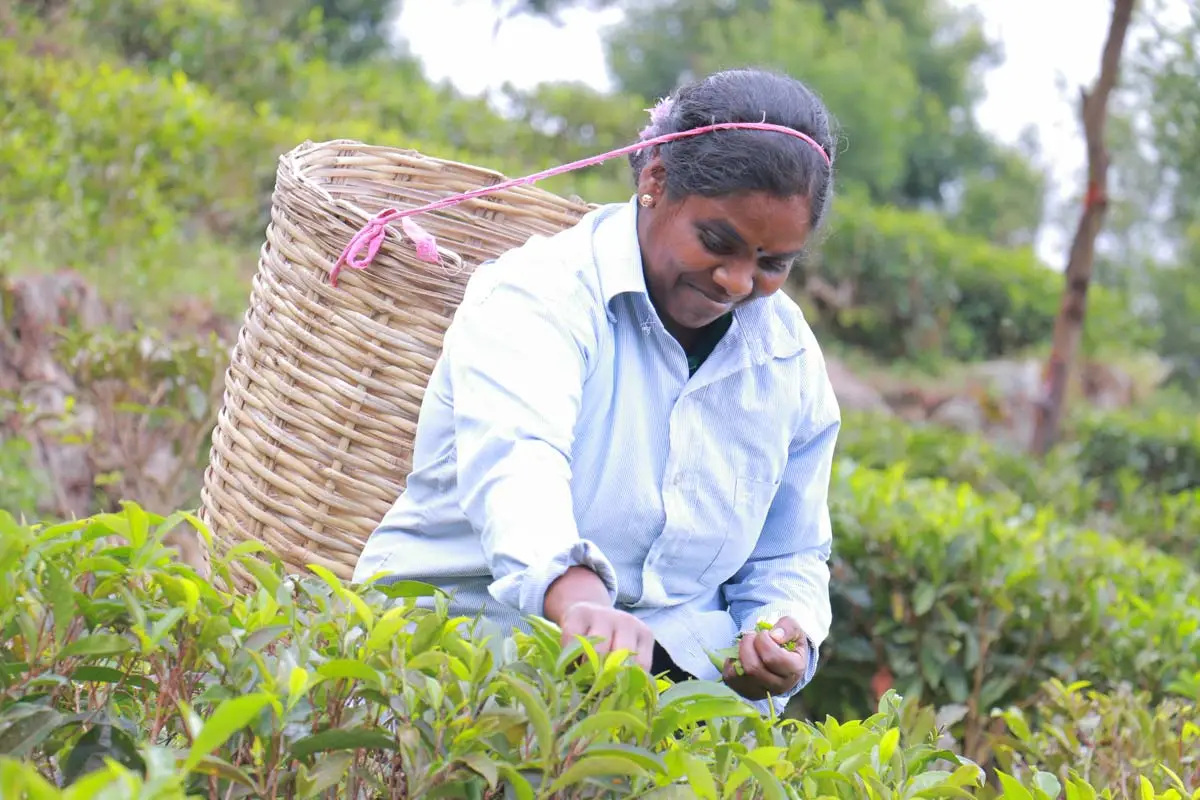
Kenyan tea is predominantly black tea, appreciated for its full-bodied, well-rounded flavour. Much of the tea is still hand-picked by women. Many smallholder farmers sell their harvests to local tea factories, helping to support local economic development.

Sri Lanka (Formerly Known as Ceylon)

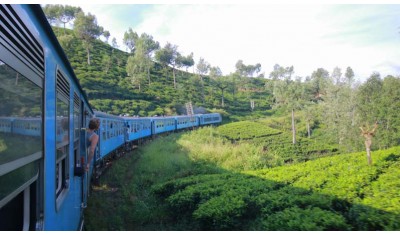
Sri Lanka is the world's fourth-largest tea producer and the second-largest tea exporter, with an annual production of around 340,000 tonnes of tea.

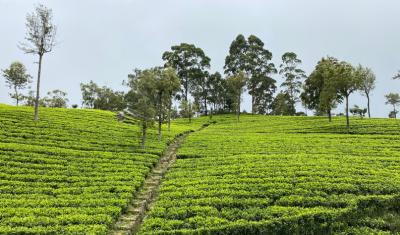
One of the country's distinctive features is that its teas are classified according to the altitude at which they are grown: high-grown, mid-grown and low-grown teas. Tea is cultivated across seven regions in Sri Lanka, each offering a remarkable diversity of flavours.

The main tea-growing regions include:

  • Dimbula, the country's largest tea-growing region in terms of both plantations and production volume. It is renowned for its invigorating, full-bodied high-grown teas with woody and fruity notes.

  • Nuwara Eliya: high-grown teas cultivated at elevations above 1,800 metres in the heart of Sri Lanka. The tea bushes are surrounded by eucalyptus, cypress and aromatic plants such as mint, which contribute to the character of these teas.

  • Uva: home to both plateau and high-grown teas. The highest-grown teas are particularly notable for their long-lasting finish and are often used in blends such as English Breakfast.

  • Kandy, the northernmost tea-growing region, produces rich, full-bodied teas with deep flavours that are frequently used in blends such as Earl Grey.

These different tea-growing regions are shaped by their altitude, geographical location and climate, all of which have a significant influence on the flavour and distinctive characteristics of the teas they produce.

Japan is renowned for producing exceptional green teas, particularly matcha, which plays a central role in the traditional Japanese tea ceremony. Japan is the world's second-largest producer of green tea, after China.

The country's main tea-growing regions include Shizuoka, Kagoshima, Sayama and Uji, where terre d'Oc sources its organic Sencha Kasumi green tea, appreciated for its smooth, vegetal and perfectly balanced flavour.

Tea Production: A Key Driver of Rural Development and Poverty Reduction

Tea provides a vital source of income for millions of smallholder farmers, and the tea industry plays a significant role in creating employment opportunities and supporting the economic development of tea-producing countries.

At terre d'Oc, we are committed to promoting ethical, organic and Fair Trade sourcing whenever possible by working with supply chains that support smallholder farmers around the world and empower women.

Fair Trade ensures that producers receive stable, fair prices, enabling them to earn a decent living while adopting environmentally responsible farming practices.

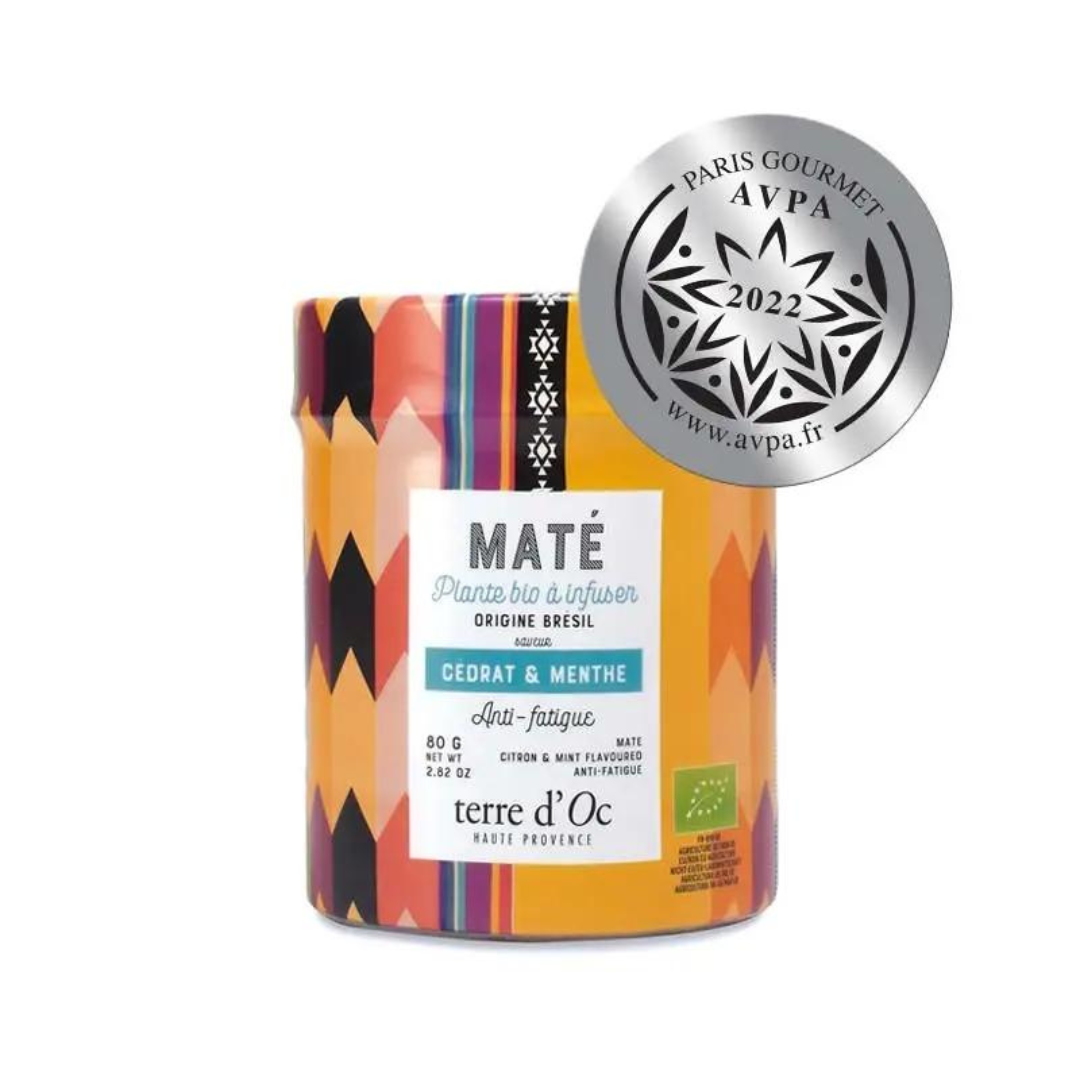
Some examples of our organic and Fair Trade sourcing include green rooibos from South Africa, Gunpowder green tea from China, Chimarrão and Roasted mate from Brazil, and black tea from Sri Lanka.

According to the FAO (Food and Agriculture Organization of the United Nations), the tea sector is India's second-largest employer, providing jobs for more than 3.5 million people.

A large proportion of India's tea production is destined for domestic consumption. International Tea Day, celebrated each year on 21 May and highlighted by terre d'Oc, is an opportunity to recognise the vital role of tea in rural development, sustainable livelihoods and food security.

It also aims to promote responsible tea consumption and encourage Fair Trade.

Every tea leaf tells a story—a journey that begins in distant tea gardens and ends in our cups.

 
Posted in: Trips, Commitment, News