
The Guide to Steeping Times and Temperatures for Different Types of Tea


Tea is a versatile drink that has been enjoyed for thousands of years. Whether you are a curious beginner or a passionate tea lover, tea offers a wealth of flavours and benefits to discover. Ready to learn everything there is to know about tea and how to prepare it to bring out its full richness? We explain it all in this article, so follow the guide!

The Origins of Tea: A Journey Across Continents

Tea has its roots in Asia, more than 2,000 years ago. According to legend, one day, Emperor Shennong was boiling water under a tree when a gust of wind blew a few leaves into his pot. Intrigued by the colour and aroma they released, he decided to taste the infusion. Captivated by its freshness and invigorating effects, he was won over.

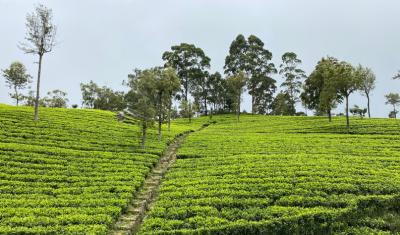
From the hills of Darjeeling to the lush plantations of Japan, via the mountains of Sri Lanka, tea is harvested in warm, moisture-rich regions.

All tea varieties come from the same shrub, Camellia sinensis. It is the processing of the leaves that determines whether the tea becomes what we call black, green, white, blue tea, and so on.

Guide to Steeping Times and Water Temperatures

To fully enjoy the flavours and benefits of tea, it is essential to follow the recommended water temperatures and steeping times for each variety. Tea that is steeped for too long or at too high a temperature can become bitter, while tea steeped at too low a temperature may lack flavour and subtlety.

The White Tea

White tea is delicate and floral, renowned for its subtle flavour. Among the varieties of white tea, Bai Mu Dan (or White Peony) is particularly appreciated. It is made from the terminal bud covered in silvery down and the first two leaves, harvested in spring.

This delicate harvest is then carefully processed to preserve its exceptional quality.

How to prepare white tea:

Steeping time: 5 to 10 minutes

Water temperature: between 70 and 75°C

The Green Tea

Green tea is prized for its antioxidant properties and its delicate vegetal flavour. It is made from the leaves of the Camellia sinensis plant, which are quickly heated after harvesting to prevent oxidation, preserving their green colour and beneficial properties.

How to prepare green tea:

Steeping time: 3 to 5 minutes

Water temperature: between 75 and 85°C

The lack Tea

Black tea, also known as “red tea” in China because of the colour of its infusion, is produced through a process of oxidation, in which the leaves come into contact with oxygen. This reaction, encouraged by moisture and heat, gives the leaves a dark colour and a flavour with malty notes.

How to prepare black tea:

Steeping time: 3 to 5 minutes

Water temperature: 90°C

The Oolong Tea (Blue-Green Tea)

Oolong tea, often referred to as “blue-green tea”, is a semi-oxidised tea that falls between green and black tea. Its distinctive feature lies in its varying degree of oxidation, offering a remarkable range of aromas: some oolongs reveal light and floral notes, while others showcase more woody, roasted or fruity flavours. A true treasure of tea culture, it appeals both to lovers of delicate teas and to enthusiasts of more full-bodied varieties.

How to prepare oolong tea:

Steeping time: 4 to 5 minutes

Water temperature: 80 to 90°C

GOOD TO KNOW

- Choose loose-leaf tea rather than tea bags for better flavour diffusion.

- Cover your cup (or teapot) while the tea is steeping to fully release the aromas and prevent them from evaporating. This way, every sip stays warm and flavourful.

- Store your tea away from light and moisture: tea leaves are sensitive to light, humidity and odours.

- Don’t squeeze your tea bag! This releases bitter tannins that can spoil your infusion.

- Avoid strong-smelling items or flavours nearby: tea easily absorbs odours, so keep it away from spices and scented products.

- For a more flavourful tea, feel free to add slices of fresh fruit to your infusion.

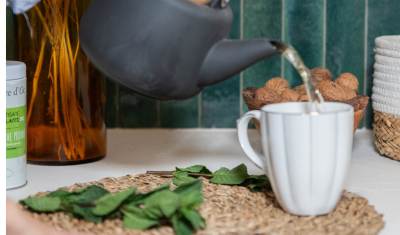
- Preheat your teapot or cup by pouring in a little hot water before brewing. This helps maintain the ideal temperature and optimise the extraction of aromas.

- Choose good-quality water: filtered or low-limescale water allows the flavours of the tea to develop more fully.

- Reuse your used tea leaves: they can be steeped a second time, particularly good-quality green teas and oolongs.

- Try cold brewing: iced teas and herbal infusions reveal softer, less bitter flavours.

Boire du thé, c’est bien plus que consommer une boisson chaude. C’est un moment de plaisir, une pause dans votre journée pour vous recentrer. Que vous préfériez la fraîcheur d’un thé vert, la puissance d’un thé noir ou l’exotisme d’un oolong, chaque tasse raconte une histoire. Alors, prêt à infuser votre quotidien ?

 
Posted in: Tea time